
Waste Profiling: Characterization, Lab Analysis & Disposal Classification
If your waste profiles are expired, you are out of compliance right now. Not next month when the inspector comes. Right now. Every drum, every tank, every container of waste at your facility needs a valid waste profile before it can be transported or disposed of legally.
A waste profile tells a disposal facility exactly what is in your waste stream. It includes the physical description, chemical composition, hazard classification, and regulatory status. Without it, no licensed facility will accept your waste. With an expired or inaccurate one, you are shipping waste under false pretenses, and that is a RCRA violation.
What Goes Into a Waste Profile
Generator knowledge. You know your process. You know what chemicals go in, what comes out, and what gets left behind. Generator knowledge is the starting point. Document your process inputs, outputs, and waste streams in writing.
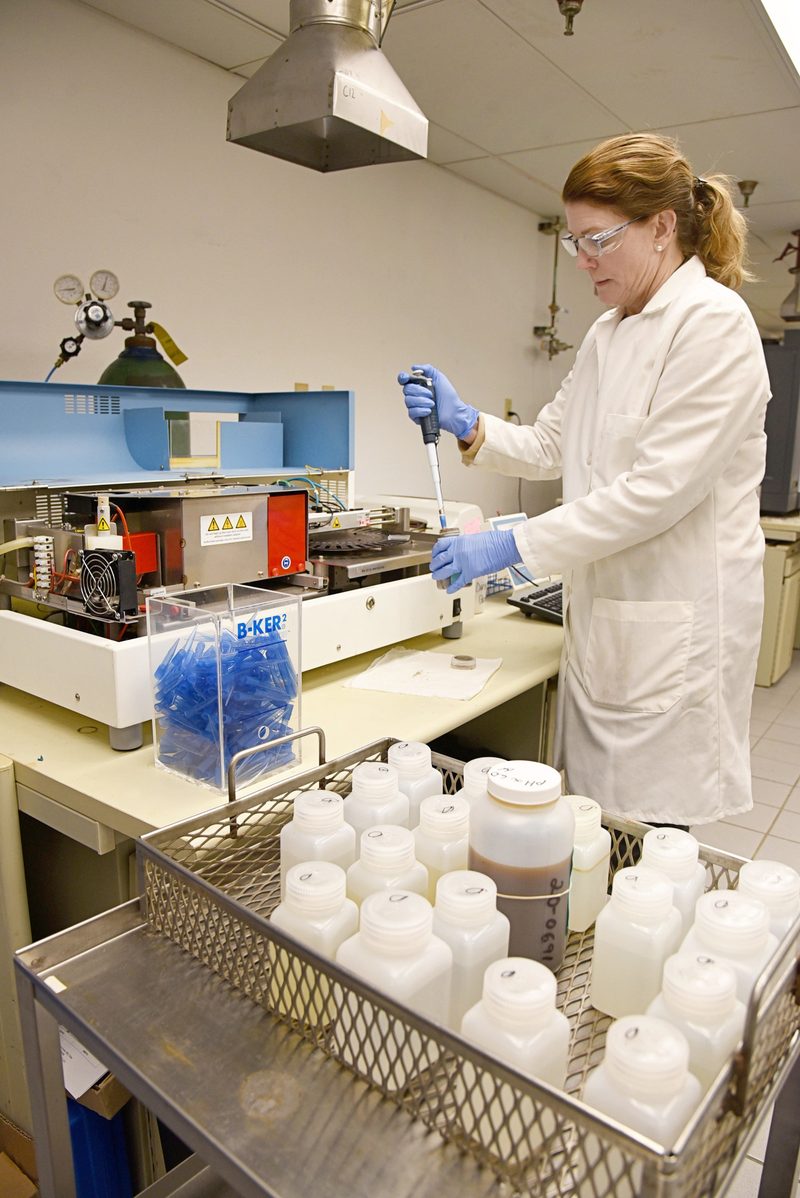
Analytical testing. Lab analysis confirms what generator knowledge suggests. A typical package includes TCLP metals, TCLP volatiles, TCLP semi-volatiles, ignitability (flash point), corrosivity (pH), reactivity screening, and total petroleum hydrocarbons. Specific tests depend on your waste stream and disposal facility requirements.
Hazard classification. Based on analytical results and generator knowledge, the waste is classified as hazardous (D, F, K, P, or U listed) or non-hazardous. This determines which disposal facilities can accept it, how it must be transported, and what paperwork is required.
When Profiles Expire
Most disposal facilities require profile renewal every one to two years, or whenever your process changes. A process change includes new raw materials, different chemicals, equipment modifications, or changes in production volume. If anything about your waste stream changes, your existing profile may no longer be accurate.
What It Costs
A basic waste characterization with TCLP metals, flash point, pH, and TPH typically runs $300 to $800 per sample. A full TCLP suite with volatiles and semi-volatiles adds $500 to $1,200. Rush turnaround usually doubles the cost. Profile preparation by your environmental contractor runs $150 to $500 per profile.
Compare that to shipping hazardous waste as non-hazardous: a RCRA violation starting at $37,500 per day per violation. A disposal facility that discovers mischaracterized waste will charge you for recharacterization, repackaging, and proper disposal at premium rates.
Common Mistakes
Assuming the profile from three years ago is still valid. Renew on schedule. Using generator knowledge alone without analytical backup. Get the lab work done. Profiling a clean sample. Profile the worst-case scenario. Not keeping copies. Keep waste profiles, lab results, and manifests for at least three years.
Need help with waste profiling? Find environmental labs and waste management companies in our provider directory, or read our article on what happens when your waste profiles expire.