
Vacuum Truck Services: Tank Cleaning, Pit Pumping & Liquid Waste
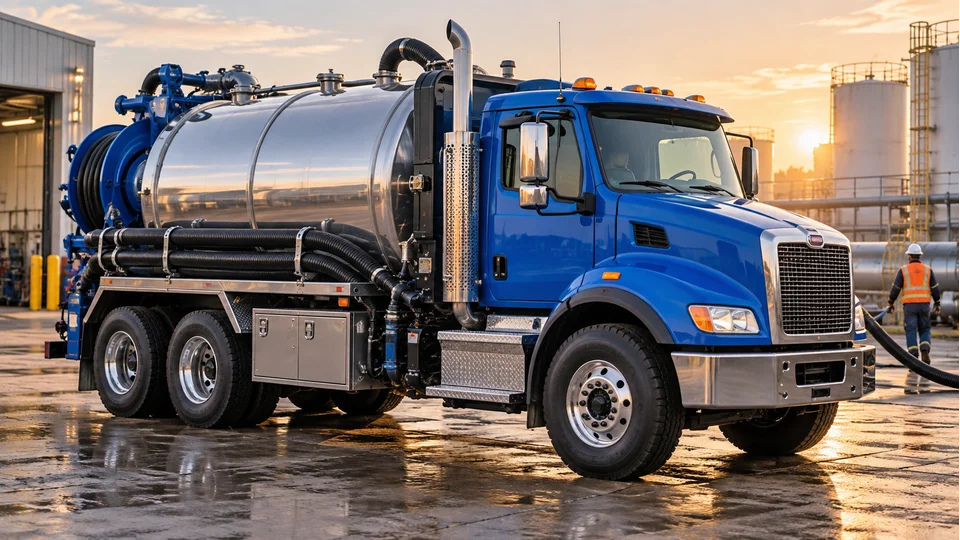
A vacuum truck is the workhorse of environmental services. It handles the jobs that no other piece of equipment can do efficiently: pumping oil/water separators, cleaning process tanks, recovering spilled product, and removing sludge from pits and sumps. If your facility generates liquid waste, you will need a vacuum truck at some point.
Environmental vacuum trucks differ from standard septic pumpers in one important way: permitting and disposal. An environmental vac truck is operated by a company with hazardous waste transporter permits, proper DOT credentials, and relationships with licensed disposal facilities. They can handle regulated industrial waste that a septic company cannot legally touch.
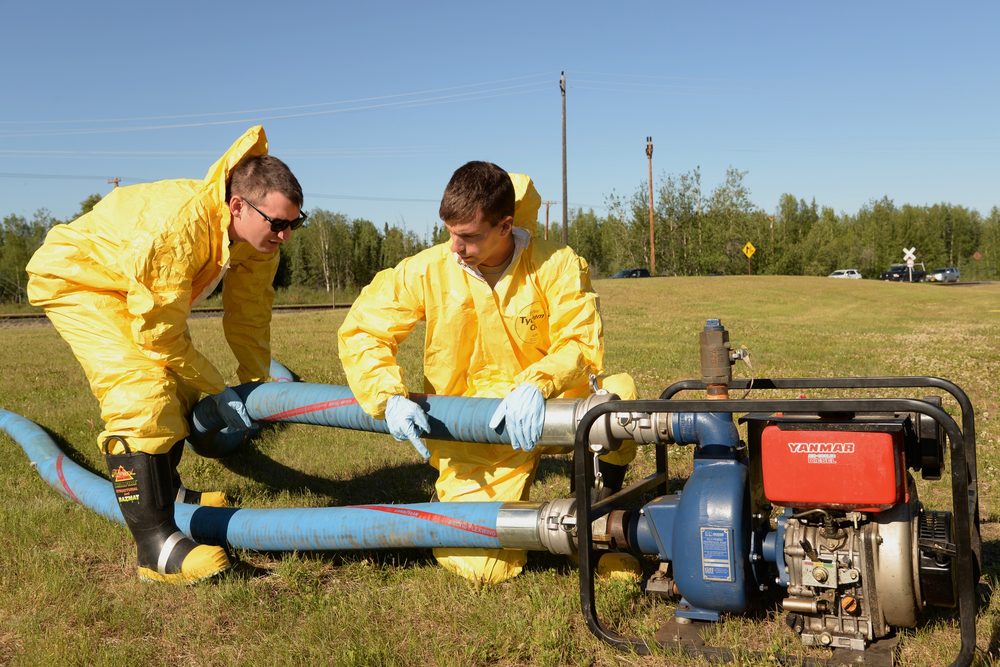
Common Applications
OWS cleaning. Oil/water separators need pumping every 3 to 6 months. The vacuum truck removes all layers and hauls the waste for disposal. See our OWS maintenance guide.
Tank cleaning. Process tanks, storage tanks, and sumps accumulate residual product, scale, and sludge. Vacuum trucks remove the contents before maintenance, inspection, or decommissioning.
Pit and sump pumping. Catch basins, trench drains, and containment sumps collect water, oil, and debris. Regular pumping prevents overflow and keeps your discharge in compliance.
Spill recovery. When product hits the ground, a vacuum truck is often the fastest way to recover free liquid.
Hydro excavation. Some vacuum trucks use high-pressure water to loosen soil while the vacuum removes the slurry, used for utility locating and excavation near underground infrastructure.
Types of Vacuum Trucks
Liquid vac trucks handle pumpable liquids and light slurries. Capacities range from 2,000 to 5,000 gallons. Combination trucks carry both a vacuum system and a high-pressure water jetter, used for sewer cleaning and hydro excavation. Dry vac trucks use air conveyance to move dry materials like contaminated soil or powders, with capacities up to 25 cubic yards.
What It Costs
Hourly rates: $250 to $450 per hour for a liquid vac truck with operator, 4-hour minimum typical. Combination trucks run $350 to $600 per hour. Flat rate jobs: A standard OWS cleaning runs $1,200 to $2,500 all-in. Catch basin pump-outs average $200 to $500 per basin. Disposal fees are separate: non-hazardous oily water runs $0.15 to $0.40 per gallon, hazardous waste starts at $1.00+ per gallon.
How to Hire the Right Contractor
Verify waste transporter license, EPA ID number, and pollution liability insurance. Ask where they dispose of waste and verify those facilities are licensed. Get a written quote that itemizes truck time, disposal, and additional charges. A good contractor documents everything: volumes pumped, waste descriptions, manifest numbers, and disposal destinations.
Need a vacuum truck? Find environmental vacuum truck services in our provider directory.