Environmental services
Understand the work, prepare for the conversation, and find a provider for your next job.
Find a service provider →Start with the work you need done. Each guide explains what to expect and what to ask before bringing a contractor on site.
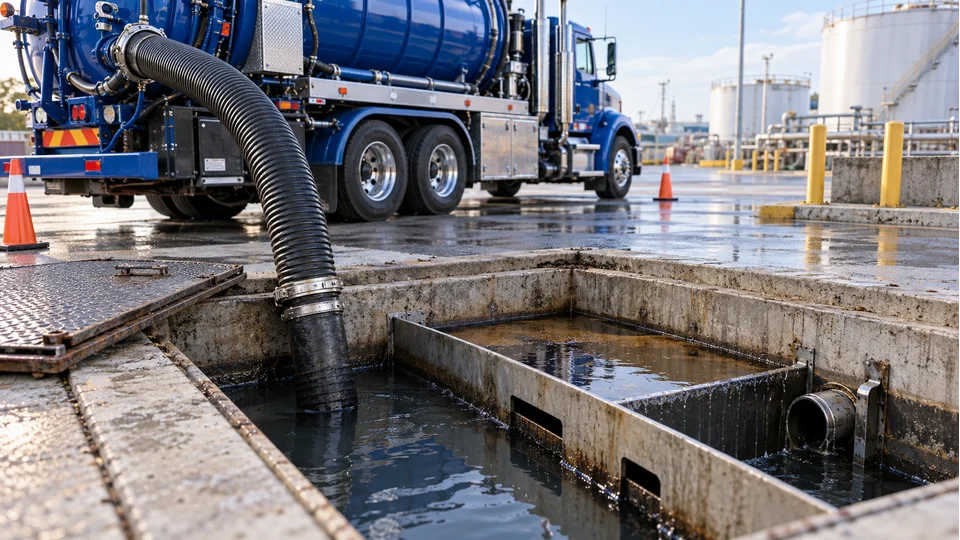
Keep separators working with cleaning, inspection, and a clear record of what was removed.
Explore service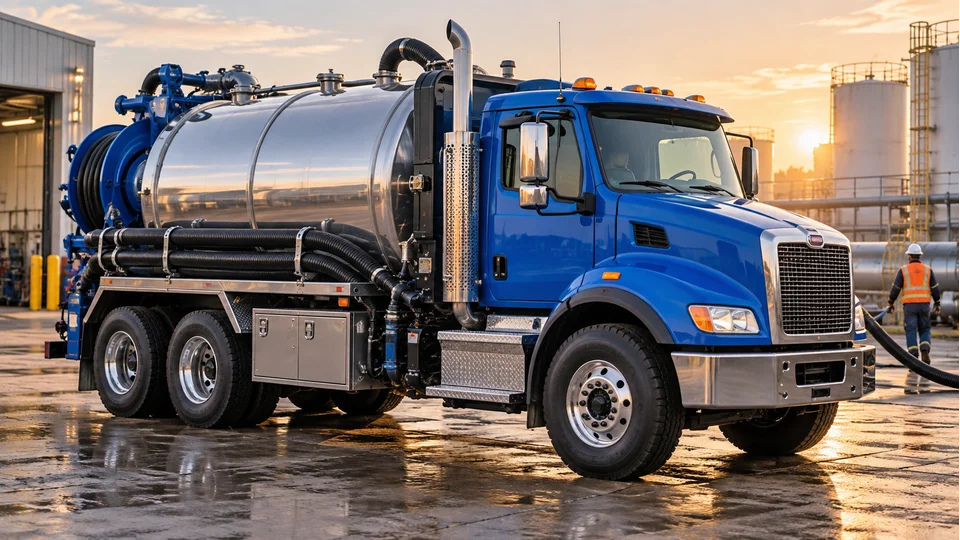
Move liquids and sludge from separators, sumps, pits, and tanks with the right equipment.
Explore service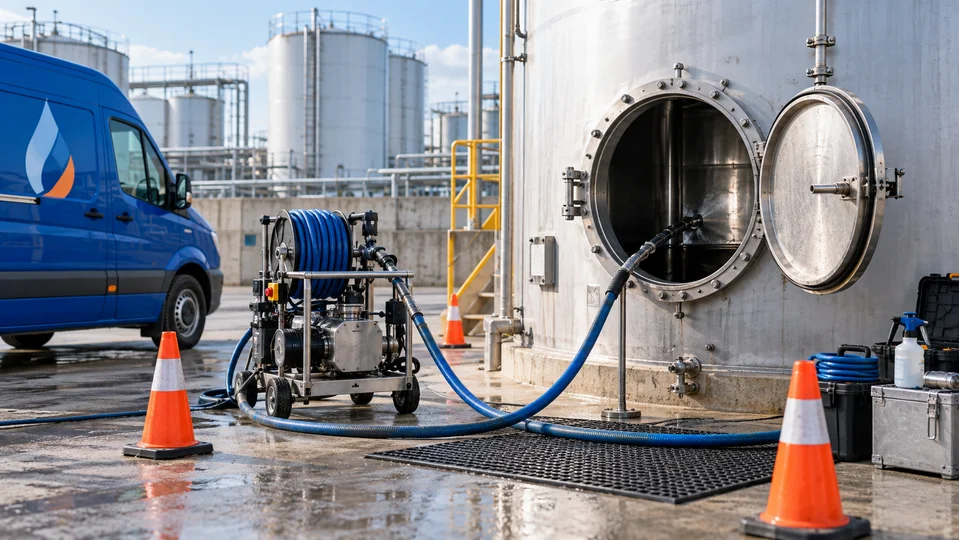
Plan sludge removal and tank cleaning around access, waste handling, and site conditions.
Explore service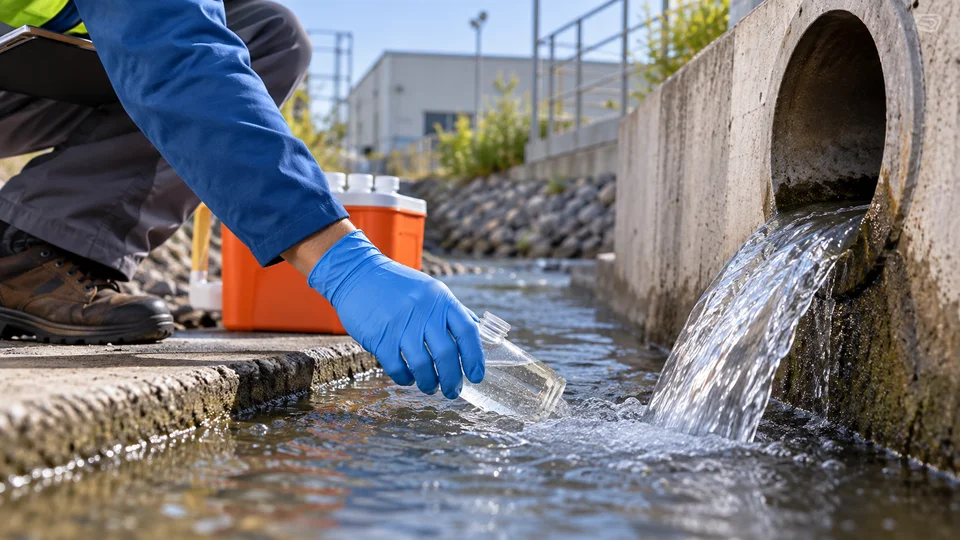
Plan outfall sampling, organize lab results, and keep your monitoring records together.
Explore service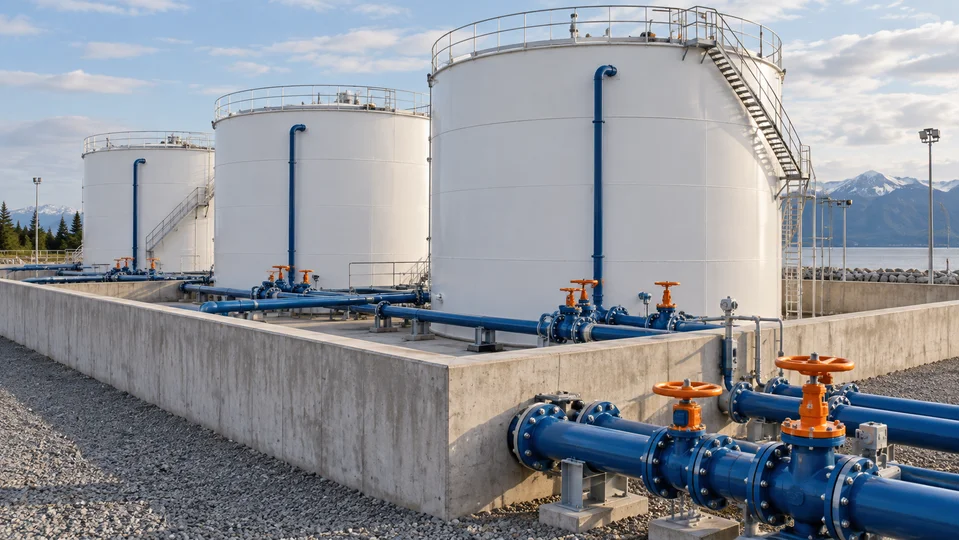
Understand your oil-storage risks and what goes into a spill prevention plan.
Explore service
Identify what is in your waste and gather the information a disposal facility needs.
Explore service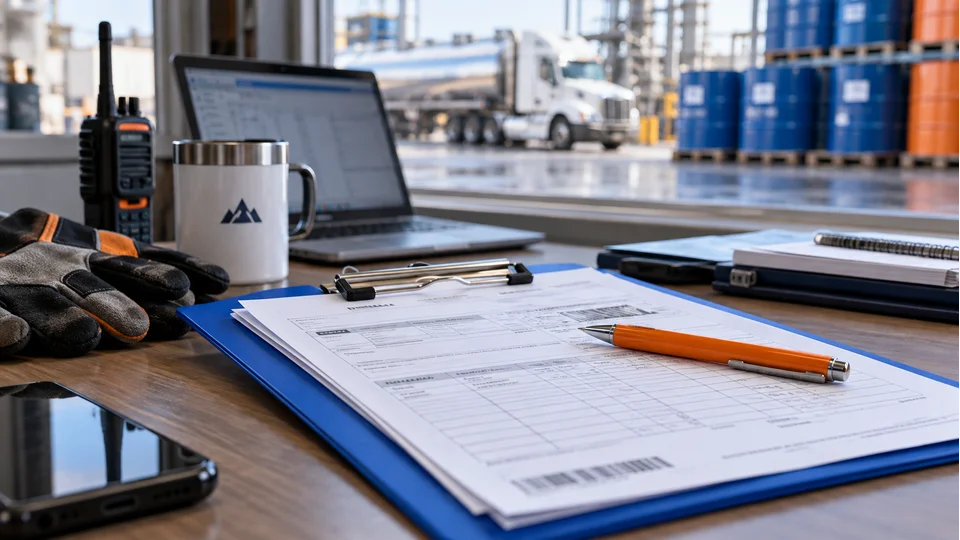
Connect the paperwork, transporter, and receiving facility before your waste leaves the site.
Explore service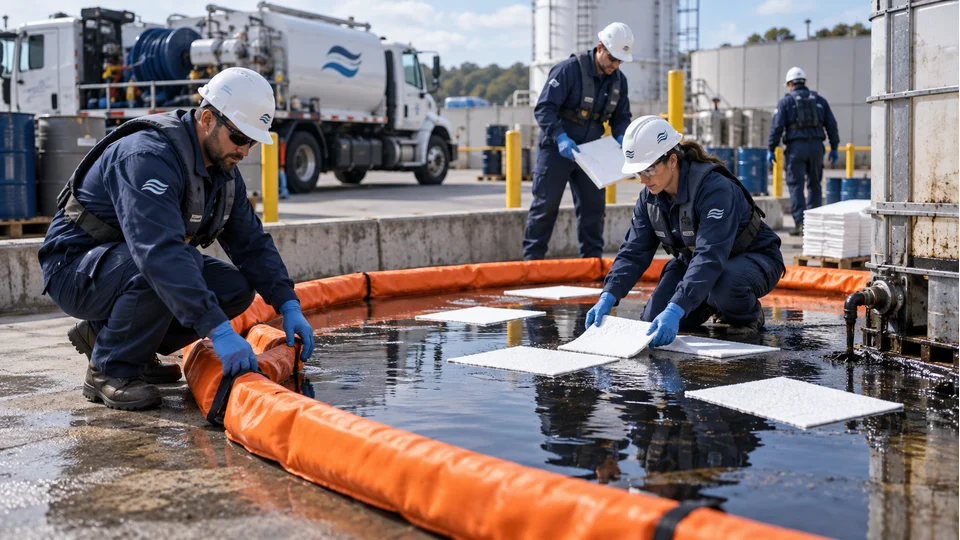
Find help with containment and cleanup, then understand the reporting and disposal steps.
Explore service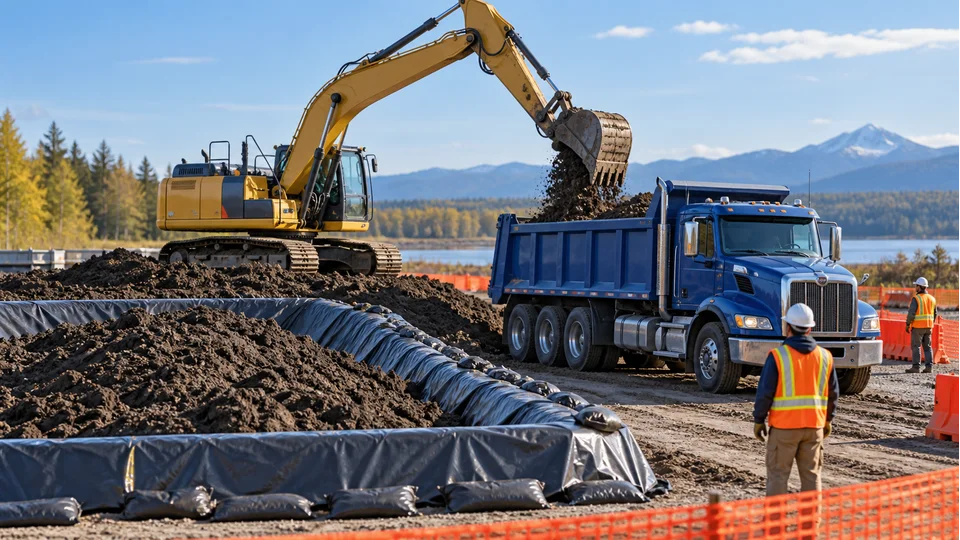
Understand the work involved in investigating and cleaning up affected soil or groundwater.
Explore service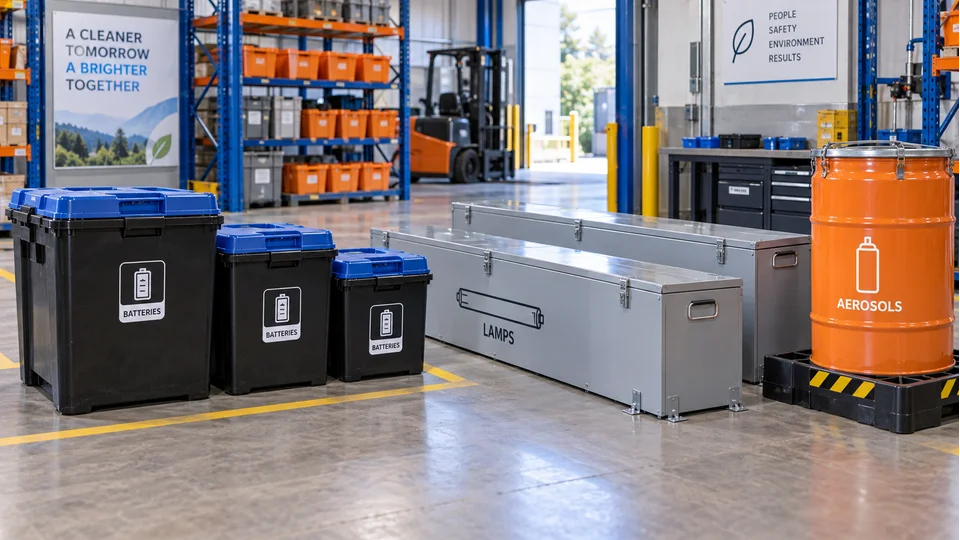
Organize collection and recycling for common waste streams such as batteries and lamps.
Explore serviceMost environmental service providers will do what you ask. A good one will tell you what you should have asked. The difference matters. A contractor that shows up, pumps your OWS, and leaves you with a receipt has done the job. A contractor that notices your outlet is clogged with solids, flags that your influent levels suggest an upstream spill, and asks whether you have a recent sampling result has done the work.
When evaluating providers, ask for: proof of insurance (general liability and pollution liability, not just auto), applicable licenses for your state, waste disposal manifests from recent similar work, references from facilities with your regulatory complexity, and a clear explanation of what happens if the job uncovers something unexpected. Any contractor who resists these questions is telling you something important.
The provider directory lists environmental service companies searchable by service type and location. For testing laboratories, see the labs directory. For questions about what service your facility needs, read the individual service pages above, or reach out through the About page.