
Emergency Spill Response: 24/7 Cleanup & Containment
When something spills, you have minutes to act, not hours. The first 30 minutes determine whether an incident stays small or becomes a six-figure nightmare. Having a spill response contractor on call before something happens is the single most important thing your facility can do to control costs when the worst case shows up on a Friday night.
Emergency spill response covers the containment, recovery, cleanup, and disposal of released materials. This includes petroleum products, industrial chemicals, hazardous substances, and any other material that was not supposed to hit the ground, the water, or the storm drain. The work is fast, expensive, and unforgiving of mistakes. Getting it right the first time matters more here than in almost any other environmental service.
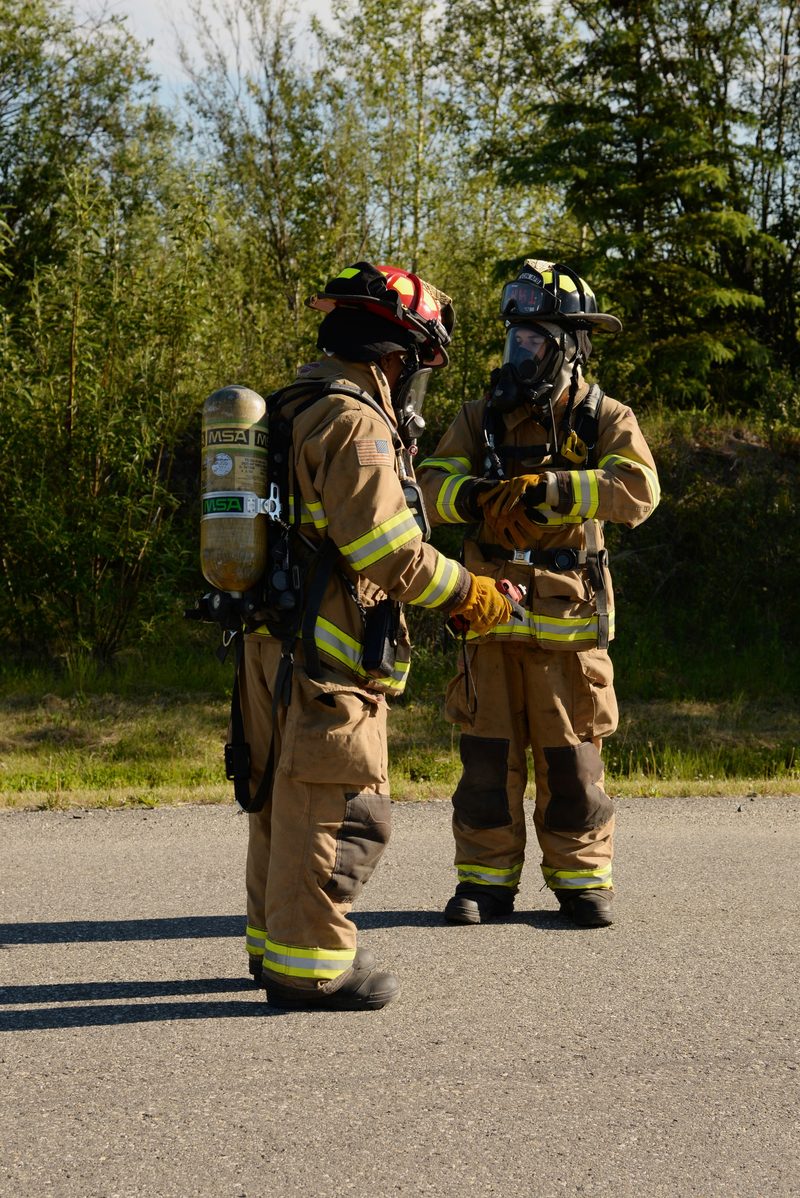
Types of Spills by Material
Petroleum spills are the most common. Diesel, gasoline, hydraulic oil, motor oil, fuel oil, and transformer oil. Petroleum floats on water, spreads fast, and creates visible sheens that attract regulatory attention immediately. The good news is that petroleum response techniques are well established and most environmental contractors handle them routinely. The bad news is that even a small petroleum release to a waterway triggers mandatory federal reporting.
Chemical spills cover a wide range of materials and hazards. Acids, bases, solvents, oxidizers, and specialty chemicals each require different containment and cleanup approaches. A sulfuric acid spill requires neutralization before recovery. A solvent spill may require explosion-proof equipment and air monitoring. Your response contractor needs to know what they are dealing with before they touch anything, which is why having Safety Data Sheets immediately available matters so much.
Hazardous substance spills involve materials listed under CERCLA (Superfund). These have specific reportable quantities that trigger mandatory notification to the National Response Center. The list includes hundreds of chemicals with reportable quantities ranging from 1 pound to 5,000 pounds. A release above the reportable quantity requires a phone call to the NRC within 15 minutes of discovery. Not 15 minutes after you finish cleaning it up. Fifteen minutes after you find it.
Sewage and wastewater releases create both environmental and public health concerns. Sanitary sewer overflows, industrial wastewater releases, and process water spills require rapid containment to prevent contact with stormwater systems and surface waters. These spills often involve less hazardous material but can affect larger areas and require more extensive decontamination.
Response Equipment: What Shows Up on Scene
Boom is the first line of defense on water. Hard boom (rigid flotation with a below-water skirt) contains oil on open water. Sorbent boom absorbs petroleum from the water surface while allowing clean water to pass through. Containment boom creates corrals to concentrate product for skimmer recovery. A good response contractor carries all three types and knows when to use each one. Hard boom for fast-moving water and high current. Sorbent boom for calm water and light sheens. Containment boom for harbor and shoreline work.
Vacuum trucks are the workhorse of spill recovery. They vacuum free product from pavement, soil surfaces, containment areas, and skimmer collection points. A standard vac truck holds 3,000 to 5,000 gallons. Large responses may need multiple trucks running continuously. Some trucks carry both vacuum and pressure washing capability, which speeds up the cleanup phase.
Skimmers remove oil from water surfaces. Drum skimmers, weir skimmers, and rope mop skimmers each work best in different conditions. Drum skimmers handle heavy oil. Weir skimmers work well for large volumes of lighter product. Rope mop skimmers recover viscous materials in tight spaces. Your contractor picks the right skimmer based on the product type and water conditions.
Decontamination equipment includes pressure washers, steam cleaners, and portable decon stations for personnel. Every piece of equipment and every person that contacts contaminated material needs to be decontaminated before leaving the site. Skipping decon spreads contamination to clean areas and creates secondary cleanup problems.
Federal Reporting Thresholds
Know these numbers before you need them. When a spill happens, you do not have time to research reporting requirements.
Clean Water Act sheen rule: Any discharge of oil that causes a visible sheen on navigable waters must be reported to the National Response Center (1-800-424-8802). There is no minimum quantity. If you can see a sheen, you report it. Period.
CERCLA reportable quantities: Each hazardous substance has a specific reportable quantity (RQ) listed in 40 CFR 302.4. Releases at or above the RQ within a 24-hour period require NRC notification. Common examples: benzene is 10 pounds, lead compounds are 1 pound, sulfuric acid is 1,000 pounds, acetone is 5,000 pounds. The full list includes over 700 substances.
EPCRA Section 304: Releases of extremely hazardous substances (EHS) above their reportable quantities require notification to the State Emergency Response Commission (SERC) and Local Emergency Planning Committee (LEPC) in addition to the NRC. This is a separate notification from the CERCLA report. Many facilities miss this requirement and end up with additional violations on top of the spill itself.
State requirements vary significantly. Some states have lower reporting thresholds than federal requirements. Some require notification to the state environmental agency in addition to the NRC. California, New Jersey, and several other states have their own chemical release reporting programs that operate independently of federal requirements. Know your state's rules before you need them.
Master Service Agreements: Set This Up Now
The worst time to negotiate a contract is during an emergency. A master service agreement (MSA) with a spill response contractor should be in place before you ever need one. Here is what a good MSA includes:
Guaranteed response times. For facilities with significant spill risk, the MSA should specify a maximum response time, typically 1 to 4 hours depending on your location relative to the contractor's base. Get this in writing. A verbal promise of fast response means nothing at 2 AM on a holiday weekend.
Rate schedules. Lock in hourly rates for personnel, equipment rates for vacuum trucks and other gear, and per-unit rates for consumables like boom and absorbents. Emergency rates are typically 1.5x to 2x standard rates. After-hours mobilization fees usually run $500 to $1,500. Having agreed-upon rates prevents price gouging during emergencies when you have no time to shop around.
Equipment lists and capabilities. The MSA should document what equipment the contractor owns and has available. A company that owns three vacuum trucks and 2,000 feet of boom is a different proposition than one that subcontracts everything. Ask about their equipment inventory and verify it.
Insurance certificates. General liability, auto liability, pollution liability, and workers compensation. Minimum $1 million per occurrence for general liability and $5 million for pollution liability. Review the certificates annually. Lapsed insurance is the same as no insurance.
24/7 contact numbers. Not a voicemail. Not an answering service that pages someone. A direct phone number to a person who can dispatch a crew. Test the number on a weekend before you sign the contract. If nobody answers, that tells you everything you need to know.
What It Costs
Spill response costs vary enormously based on what spilled, how much, where it went, and how quickly it was contained.
Small facility spills (under 50 gallons, on pavement, no waterway impact): $2,000 to $8,000. This covers a crew with absorbents, a small vacuum truck, waste disposal, and documentation.
Medium spills (50 to 500 gallons, soil impact, no waterway): $10,000 to $50,000. Adds soil excavation, laboratory analysis, and potentially a site investigation to confirm the extent of contamination.
Large spills or waterway impacts: $50,000 to $500,000+. Waterway impacts trigger federal response, multiple agency coordination, extended cleanup operations, and potentially long-term monitoring.
Post-Cleanup Requirements
The spill is not over when the last vacuum truck leaves. Post-cleanup requirements can extend weeks or months beyond the initial response.
Confirmation sampling proves the cleanup met applicable standards. Soil samples are collected from the excavation floor and sidewalls and analyzed for the contaminants of concern. Water samples from nearby monitoring wells or surface water may be required. If results exceed cleanup standards, additional excavation or remediation is needed.
Site restoration includes backfilling excavations, replacing pavement, re-grading disturbed areas, and restoring any damaged vegetation or structures. This cost is often overlooked during initial response budgeting but can add 10% to 30% to the total project cost.
Regulatory closure letters document that the agency considers the cleanup complete. Getting closure in writing protects you from future liability claims related to the same incident. Do not assume the case is closed just because the agency stops calling. Get the letter.
Building Your Spill Response Team
Internal first responders are your employees who discover and initially respond to spills. They need training on how to stop the source if it is safe to do so, deploy spill kits, block storm drains, and make the right phone calls. Annual training with hands-on spill kit exercises is the minimum. OSHA HAZWOPER requirements (29 CFR 1910.120) apply if your employees will be doing anything beyond defensive actions.
External contractors handle the heavy lifting. Your MSA contractor is your primary resource. Identify a backup contractor as well. During large regional incidents like hurricanes or pipeline failures, your primary contractor may already be deployed elsewhere.
Agency contacts should be pre-programmed and posted at every spill kit location. National Response Center: 1-800-424-8802. Your state environmental emergency hotline. Your local fire department hazmat team. Your LEPC coordinator. Your facility insurance carrier's claims line. When a spill happens, nobody should be searching for phone numbers.
Stock and maintain spill kits at every location where a release could occur. A basic spill kit costs $100 to $300 and can contain a small spill entirely, turning a potential $10,000 contractor response into a $200 absorbent order. Read our guide to the first 30 minutes of spill response for a step-by-step breakdown of what to do when something hits the ground.
How to Evaluate Response Contractors
Ask for references from facilities similar to yours. A contractor who is great at pipeline spills in rural areas may not be the right fit for a manufacturing facility in an industrial park. Call the references and ask specifically about response time, communication during the event, and accuracy of final invoicing.
Verify their equipment firsthand. Visit their yard. Look at the vacuum trucks, boom inventory, and response trailers. Equipment that is rusted, poorly maintained, or clearly not ready to deploy tells you how seriously they take readiness. A company that invests in equipment maintenance invests in doing the job right.
Review their incident documentation. Ask to see a sample project report from a previous response (with client information redacted). Good documentation protects you during regulatory review. Sloppy documentation creates problems years after the cleanup is finished. If their reports are thin, their work probably is too.
For immediate emergencies, call the National Response Center at 1-800-424-8802. For our comprehensive emergency reference, visit our emergency response page.
Need a spill response contractor? Find 24/7 emergency response companies in our provider directory before you need one.