
Emergency Spill Kit Guide: What to Buy, Where to Put It, and How to Use It
A properly stocked spill kit is often the difference between a 10-minute cleanup and a 40-hour compliance nightmare. Most facilities either buy a generic kit that does not fit their actual spill risks, forget to train anyone on how to use it, or let it collect dust in a locker nobody can access during an actual incident. All three failures turn a manageable event into a regulatory problem.
This guide covers what to buy based on your actual risks, where to put it, how to train people, and how to maintain the kit so it works when you need it. No generic "one size fits all" recommendations. Your spill kit should match your facility.
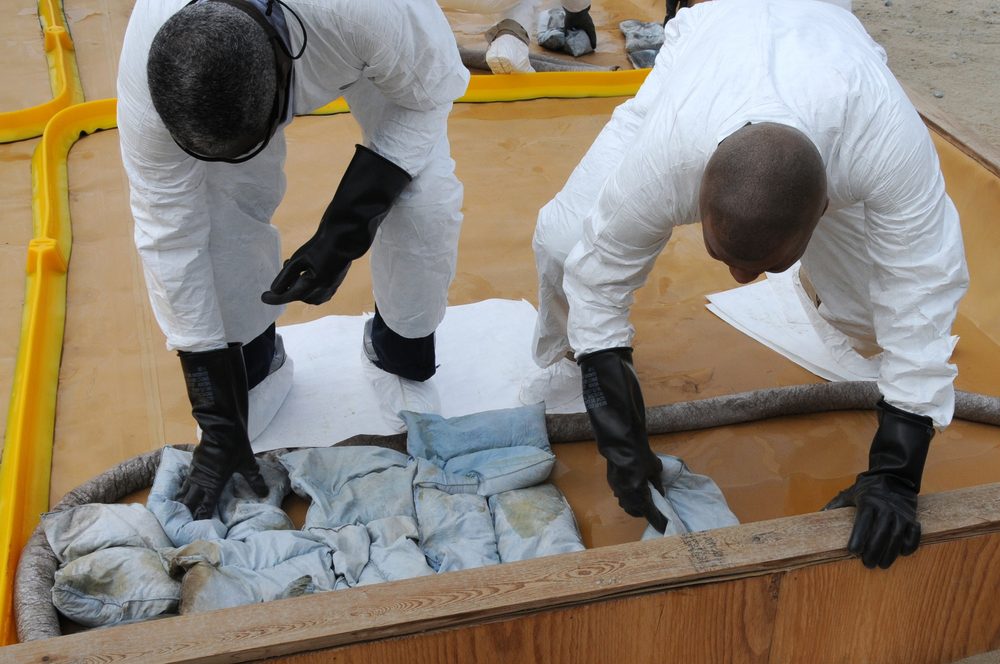
Match the Kit to Your Actual Risks
The first question is not "how big" but "what type". Different materials need different absorbents and different containment.
Oil-only kits use hydrophobic polypropylene absorbents that pick up petroleum and reject water. Essential for any facility with hydraulic systems, fuel storage, or transformers near stormwater drains. If you have an oil/water separator, you need oil-only spill response capability.
Universal kits absorb oil, water, coolants, and most common chemicals. These are the default for mixed-use facilities like manufacturing, fleet maintenance, and warehouses. Polypropylene with gray absorbent dye is the standard.
Hazmat kits include chemical-resistant PPE, neutralizers for acids and bases, and absorbents rated for aggressive chemicals. Required wherever you store strong acids, caustics, solvents, or reactive chemicals. Kit contents must match the specific chemical: acid neutralizers do not work on bases, and vice versa.
Mercury spill kits are specialty kits for facilities with lab equipment, industrial thermometers, or older electrical gear. Mercury requires specific amalgamating powders and vapor suppressants that generic absorbents cannot handle.
Kit Sizing and Contents
Size the kit to the largest single container that could release. If your biggest tank is a 275-gallon tote and you have no secondary containment, your kit must handle 275 gallons of spill response. That is typically 2 to 4 large kits staged near the risk area, not one compact portable kit in the office.
Basic kit contents that cover 95% of scenarios:
- Absorbent pads: oil-only or universal based on risks, minimum 100 pads per kit
- Absorbent socks and booms: containment perimeter rated for expected spill volume
- Loose absorbent (granular): for soaking up pools after booms are deployed
- Disposal bags with ties: heavy-duty contractor grade, minimum 6-mil
- Chemical-resistant gloves (nitrile), safety glasses, and disposable Tyvek coveralls
- Storm drain covers: mat-style rubber covers for each drain near the risk area
- A shovel and broom (for granular absorbent)
- Warning tape or cones for establishing the work zone
- Laminated incident response card with your internal call list and the NRC number (1-800-424-8802)
Where to Put the Kit
Location rules: every kit must be within 100 feet of the highest-risk area, clearly visible, marked with signage, and unlocked during facility operating hours. A kit in a locked supervisor office at the opposite end of the building from the fuel island is useless.
For multi-building facilities, you need multiple kits. One centralized kit does not meet the SPCC countermeasure requirements and cannot meet the typical "rapid response" standard in emergency response plans.
Fuel islands, loading docks, chemical storage areas, and maintenance shops should each have a dedicated kit. The kit should be on wheels or otherwise mobile because dragging a 300-pound bag of absorbent across a 200-foot shop floor during an active spill is not a real response strategy.
Training Is Not Optional
HAZWOPER (29 CFR 1910.120) requires training for anyone who performs emergency response operations. For an incidental release that trained facility staff handle themselves (under 55 gallons of a known material in a controlled area), awareness-level training is the minimum. For any emergency response, first responder operations-level (8 hours) or technician-level (24 hours) training is required depending on the role.
Training needs refresher every year for operations level and above. Document the training with sign-in sheets, topics covered, and competency verification. The most common enforcement finding after a spill is a trained roster that does not match who actually responded.
Do mock drills quarterly. Make it realistic: pour water on the floor, time the response, see if the kit is accessible, check if the people on duty actually know the procedure. Document the drill and any corrective actions.
Maintenance and Inspection
Spill kits degrade. Absorbent pads absorb humidity and become less effective. PPE gets stolen or borrowed for other jobs. Disposal bags get used as trash bags.
Monthly inspection: verify all items are present, intact, and in service. Annual inspection: replace absorbents older than 3 years, check PPE sizes match current personnel, replace any damaged items.
Keep the inspection log with the kit. An inspector asking to see the kit will also ask to see the inspection records. If the last documented inspection was 14 months ago, that is a finding.
Real Cost Scenarios
Small oil spill (5 gallons on pavement): Proper kit response runs $100 to $300 in absorbents and disposal. No contractor needed. Use our spill cost estimator to see what happens when the kit is missing or inadequate.
55-gallon drum spill on soil: Kit response contains the release and recovers free product. Remaining cleanup needs a contractor: $5,000 to $20,000 total. Without the kit, the contractor cost often doubles because contaminated area is larger.
275-gallon tote rupture: Kit response alone is not enough. The kit buys time for contractor arrival and prevents downstream impact. Contractor cost: $15,000 to $60,000. Without the kit, add 50-100% for larger impact area.
Planning your spill response program? The Emergency Response Checklist generates step-by-step procedures for 8 incident types. For facility-specific spill plans, read the first 30 minutes guide.
Frequently Asked Questions
What size kit do I need?
Match capacity to your largest credible single release. For a single 55-gallon drum risk, a 55-gallon-rated kit is the minimum. For a 250-gallon transformer, you need 250+ gallons of absorbent capacity in the kit OR a clear plan to mobilize additional kits within minutes. Undersized kits during a real spill produce a false sense of preparedness that costs more than no kit at all.
Oil-only, hazmat, or universal, which type?
Oil-only (hydrophobic polypropylene) for petroleum, fuel, transformer oil, and hydraulic fluid. Hazmat (acid/caustic-rated) for chemical storage, plating, batteries, and lab work. Universal works for both but holds less per dollar. Most facilities need oil-only for primary risks plus a smaller hazmat kit at chemical storage areas. Universal as the only kit means you are paying for capability you do not need at the cost of capability you do.
Where should the kit go?
Within 30 seconds of any likely spill location, at floor level, with clear unobstructed signage. Locked cabinets and second-floor storage rooms defeat the purpose. The most common placement mistake is one centralized kit at the safety office. That is usable for a slow leak, useless for a transfer-line failure 200 feet away.
How often should I inspect?
Monthly minimum for content count and seal integrity, quarterly for accessibility and signage, annually for a full inventory replacement check (absorbents degrade and bags break down). Documented inspections are required under most facility safety programs and become evidence during EPA enforcement.
Do I need a separate kit for outside areas?
Yes if you have outdoor risks (loading docks, transformers, tank farms). Outdoor kits need weather-resistant containers and contents rated for temperature extremes. The kit inside the building does not help you when the leak is at the transformer pad in February.
Primary references
Use these official references to check the provisions discussed above. Applicability, exceptions, and state or local requirements must be checked for your situation.